
does this sound like you?
You Know Theres More to You
But Something Holds You Back
Do you ever feel like you’re holding parts of yourself back around other people? Like you overthink what to say, replay conversations afterward, or worry about how you’re coming across?
Maybe you want to speak up more, feel more confident in conversations, or just be able to relax and be yourself—but something gets in the way. You find yourself trying to say the “right” thing, avoiding awkward moments, or staying quiet when you actually have something to say.
It can show up in different ways. Feeling nervous in social situations. Struggling to start or keep conversations going. Wanting deeper friendships and connections, but not always knowing how to create them. Or feeling like you’re constantly in your head instead of fully present.
And underneath all of that, there’s often a quiet sense that you’re capable of more—that if you could just get out of your own way, things could feel easier, more natural, and more like you.
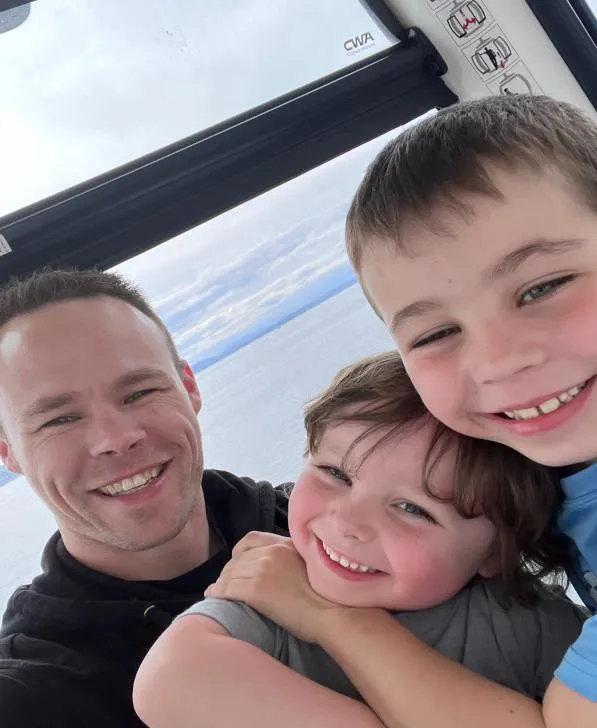
Lorem ipsum dolor sit amet, consectetur adipiscing elit. Sed non risus. Suspendisse lectus tortor, dignissim sit amet, adipiscing nec, ultricies sed, dolor. Cras elementum ultrices diam. Maecenas ligula massa, varius a, semper congue, euismod non, mi.
Proin porttitor, orci nec nonummy molestie, enim est eleifend mi, non fermentum diam nisl sit amet erat. Duis semper. Duis arcu massa, scelerisque vitae, consequat in, pretium a, enim. Pellentesque congue.
Praesent dapibus, neque id cursus faucibus, tortor neque egestas augue, eu vulputate magna eros eu erat. Aliquam erat volutpat. Nam dui mi, tincidunt quis, accumsan porttitor, facilisis luctus, metus.
Phasellus ultrices nulla quis nibh. Quisque a lectus. Donec consectetuer ligula vulputate sem tristique cursus. Nam nulla quam, gravida non, commodo a, sodales sit amet, nisi.
Pellentesque fermentum dolor. Aliquam quam lectus, facilisis auctor, ultrices ut, elementum vulputate, nunc. Sed adipiscing ornare risus. Morbi est est, blandit sit amet, sagittis vel, euismod vel, velit.
Mauris tincidunt sem sed arcu. Nunc posuere. Phasellus id felis. Proin pretium, leo ac pellentesque mollis, felis nunc ultrices eros, sed gravida augue augue mollis justo.

i know this feeling
I Lived This Too
For most of my life, I didn’t feel fully comfortable being myself around other people. I was always aware—of how I came across, what I said, how it might be received. I learned to adapt, to read the room, and to say the right thing. From the outside, I could seem confident, capable, even outgoing—but internally, there was always a layer of hesitation, like I was holding parts of myself back.
I became really good at fitting in. I knew how to be agreeable, avoid conflict, and keep things smooth. But that came at a cost. Instead of expressing what I actually thought or felt, I filtered it. I would overthink conversations, try to figure out the “right” thing to say, and second-guess myself afterward. I wanted connection and friendships, but I didn’t always know how to create them in a natural, authentic way.
That pattern showed up everywhere. In conversations, in social situations, and in relationships. I wanted to feel more confident, more relaxed, and more like myself—but there was always that gap between who I was internally and how I showed up around others. And over time, that gap started to wear on me.
Origins
Learning to Stay Small
Lorem ipsum dolor sit amet, consectetur adipiscing elit. Sed non risus. Suspendisse lectus tortor, dignissim sit amet, adipiscing nec, ultricies sed, dolor. Cras elementum ultrices diam. Maecenas ligula massa, varius a, semper congue, euismod non, mi.
Proin porttitor, orci nec nonummy molestie, enim est eleifend mi, non fermentum diam nisl sit amet erat. Duis semper. Duis arcu massa, scelerisque vitae, consequat in, pretium a, enim. Pellentesque congue.
Praesent dapibus, neque id cursus faucibus, tortor neque egestas augue, eu vulputate magna eros eu erat. Aliquam erat volutpat. Nam dui mi, tincidunt quis, accumsan porttitor, facilisis luctus, metus.
Phasellus ultrices nulla quis nibh. Quisque a lectus. Donec consectetuer ligula vulputate sem tristique cursus. Nam nulla quam, gravida non, commodo a, sodales sit amet, nisi.
Pellentesque fermentum dolor. Aliquam quam lectus, facilisis auctor, ultrices ut, elementum vulputate, nunc. Sed adipiscing ornare risus. Morbi est est, blandit sit amet, sagittis vel, euismod vel, velit.
Mauris tincidunt sem sed arcu. Nunc posuere. Phasellus id felis. Proin pretium, leo ac pellentesque mollis, felis nunc ultrices eros, sed gravida augue augue mollis justo.
where it started
How I Learned to Play Small
I grew up in an environment where emotions weren’t really talked about or expressed openly. There wasn’t a lot of depth when it came to communication—no real conversations about what we were feeling, what we were struggling with, or how to navigate it. You kind of just figured things out on your own.
What I learned, without realizing it at the time, was to keep things in. To not make waves. To avoid conflict rather than face it. It felt easier to stay agreeable, to go along with things, and to be the one who didn’t cause problems. It felt safer to be liked than to be real.
Over time, that turned into a pattern of paying close attention to how others were feeling, while losing touch with what I was feeling myself. I became highly aware of other people—reading their reactions, adjusting my behavior—but less connected to my own voice. It became less about expressing myself, and more about managing how I was perceived.
I didn’t think of it as “playing small” back then. It just felt normal. It felt like who I was. But underneath that, there was a growing disconnect—between what I actually thought, felt, and wanted… and what I showed to the world.
And the longer that pattern went on, the more it reinforced itself. The more I stayed quiet, the harder it felt to speak up. The more I adapted to others, the less clear I became on who I really was.
Origins
Learning to Stay Small
I didn’t arrive at leadership by accident. Like many men, I spent the early years of my life learning not how to lead but how to adapt—how to stay quiet, avoid rocking the boat, and earn approval by becoming what others wanted me to be.
I was born into a young family where my parents were still trying to find their own place in the world. Alcohol was a constant backdrop. Emotions were rarely discussed. Conflict was either avoided or explosive. In that environment, I developed what seemed like a survival skill at the time: I became an observer.
As a child, I learned to read the room. To anticipate the needs and moods of others before they were spoken. I also learned, very early on, that expressing my own needs or feelings often led to disconnection or punishment. So, I stayed small. I adapted. I became who others wanted me to be.
By my teenage years, I was already carrying the silent burden of people-pleasing, perfectionism, and the belief that my worth was tied to achievements. I became “the achiever,” constantly striving to earn approval while keeping my deeper emotions locked away.
what it cost me
The Life I Was Living Didn't Feel Like Mine
As I got older, those patterns didn’t go away—they followed me into every area of my life. On the surface, things could look fine. I was functioning, showing up, doing what I was supposed to do. But underneath, there was always a sense that something wasn’t quite right—like I wasn’t fully myself in the moments that mattered.
In conversations, I would hold back what I really wanted to say. I’d overthink my words, second-guess how I’d come across, or try to figure out the “right” thing to say before I said anything at all. And a lot of times, that meant saying less—or nothing. Afterward, I’d replay interactions in my head, thinking about what I should’ve said or how I could’ve shown up differently. It made even simple conversations feel draining.
It also made social situations feel harder than they needed to be. Meeting new people, joining group conversations, or even just keeping a conversation going could feel uncomfortable—not because I didn’t care, but because I was so focused on how I was coming across. Instead of being present, I was stuck in my head.
In relationships and friendships, it showed up even more. I wanted real connection, but I struggled to be fully open and honest. I’d avoid difficult conversations, go along with things that didn’t feel aligned, or try to keep the peace instead of expressing what I actually felt. It felt safer to be liked than to be real—but that made it harder to build the kind of deeper, more meaningful connections I actually wanted.
And over time, that creates a kind of internal tension. You know you’re capable of more. You know you’re not fully showing up. There’s a gap between who you are and how you’re living—and that gap turns into frustration, self-doubt, and a quiet sense that something needs to change.
The Moment Things Shifted
I Knew I Couldnt Keep Living This Way
At a certain point, it became harder to ignore. That quiet tension I’d been carrying for years started to feel louder and more constant. I could see the patterns more clearly—where I was holding back, overthinking what to say, avoiding conversations I needed to have, and not fully showing up in my relationships. It wasn’t occasional anymore—it felt like a consistent way of being.
It wasn’t one big dramatic moment. It was a series of realizations stacking on top of each other. Moments where I stayed quiet when I wanted to speak. Moments where I tried to say the “right” thing instead of being honest. Moments where I walked away from conversations replaying everything in my head, thinking about what I should’ve said or how I could’ve shown up differently.
And it started to affect how I saw myself. I knew I was capable of more. I knew I had thoughts, opinions, and things I wanted to express—but I wasn’t doing it. There was a growing disconnect between who I felt I could be and how I was actually showing up day to day.
Eventually, I reached a point where I couldn’t unsee it anymore. I didn’t have all the answers, and I didn’t know exactly how to change it—but I knew I didn’t want to keep repeating the same patterns. I wanted something different. I wanted to feel more confident, more honest, and more connected—and that was the moment I decided something had to change.
Adulthood
Fragile Success and Hidden Disconnection
In adulthood, I built what looked like a successful life. I created a career. I built relationships. I became a father.
But beneath the surface, the foundations were fragile. My habits of avoidance, emotional suppression, and over-adaptation followed me into my adult relationships. I struggled with authenticity and vulnerability. I chased validation through achievement, through relationships, and through controlling how others perceived me.
And under it all, I had a secret world—one that both numbed my pain and fed my shame.
Pornography became an escape. It was a way to feel a fleeting sense of control, of relief, of connection without risk. Over time, it became a regular part of my life, then a compulsion. I carried the silent shame of knowing I was hiding. Of knowing that every time I disconnected through a screen, I was reinforcing the same isolation I claimed to hate.
Sex and infidelity became another mask. When relationships began to fracture, instead of addressing my own emotional disconnection, I sought validation elsewhere. Affairs. Betrayals. Lies. Each decision added another brick to the wall between the man I was and the man I wanted to be.
I justified it. I minimized it. I told myself it was about needs not being met. But deep down, I knew better. I knew I was betraying not just my partners—but myself. I knew I was modeling a form of masculinity that I would never want my sons to inherit.
I became physically present but emotionally absent in fatherhood. I could show up for the tasks. I could provide. But when it came to emotional presence, honesty, and leadership, I was repeating the same patterns I had witnessed growing up.
The gap between who I was and who I wanted to be became unbearable.
Doing The Work
I Started Rebuilding Myself ...
One Step at a Time
Once I became aware of those patterns, I started looking for ways to change them. I didn’t have a clear roadmap—I just knew I didn’t want to keep showing up the same way. That led me into personal development—studying psychology, confidence, communication, and how people actually change. But more importantly, I started applying it. I put myself in uncomfortable social situations, practiced speaking up, and began working through the same overthinking and hesitation I had struggled with for years.
It wasn’t a quick shift. There was no moment where everything suddenly clicked. It was gradual—and at times, messy. Some days I made progress, and other days I fell back into old habits. But over time, things started to change. Conversations became easier. I felt more present instead of stuck in my head. I started building more real, natural connections instead of overanalyzing every interaction.
Along the way, I invested deeply in this work—through coaching training, mentorship, and years of real-world practice. Not just learning concepts, but living them. And that’s what made the difference. It wasn’t just knowledge—it was showing up again and again, working through the discomfort, and building trust in myself over time.
Eventually, the weight of living out of alignment became too heavy. The cracks in the life I had built became impossible to ignore. My relationships unraveled. My sense of self-worth deteriorated. And the pain of staying the same finally outweighed the fear of change.
I faced a crossroads.
I could continue down the path of avoidance, validation-seeking, and disconnection.
Or I could evolve.
I chose evolution.
The Breaking Point
Choosing to Evolve
The Journey Into Mastery
I immersed myself in personal growth. I sought out therapy, men’s groups, coaching, and leadership training. I began to peel back the layers of protective behaviors I had developed over the years. I confronted the stories and beliefs that had kept me trapped.
It wasn’t easy. Growth never is. It meant facing the pain of my past. It meant acknowledging the ways I had failed to lead—in my relationships, in my family, and in my own life.
I confronted my sexual patterns. I stopped using pornography as an escape and began exploring what healthy, connected sexuality looked like. I learned to separate validation from connection. I rebuilt my relationship to desire—not as a compulsion but as a choice.
I confronted my betrayals. I took accountability for the affairs and dishonesty. I recognized the ways I had harmed others and myself. And I began the long, difficult work of rebuilding integrity—not for external approval, but because it was the only path to becoming the man I aspired to be.
I confronted my emotional absence. I learned emotional mastery. I practiced being present in difficult conversations, staying grounded when triggered, and expressing my needs and boundaries without fear or manipulation.
Through years of work, I developed a new way of being. I created a clear vision of the man I wanted to become. Not a perfect man, but an evolving man. A man who leads with confidence, purpose, and grounded strength.
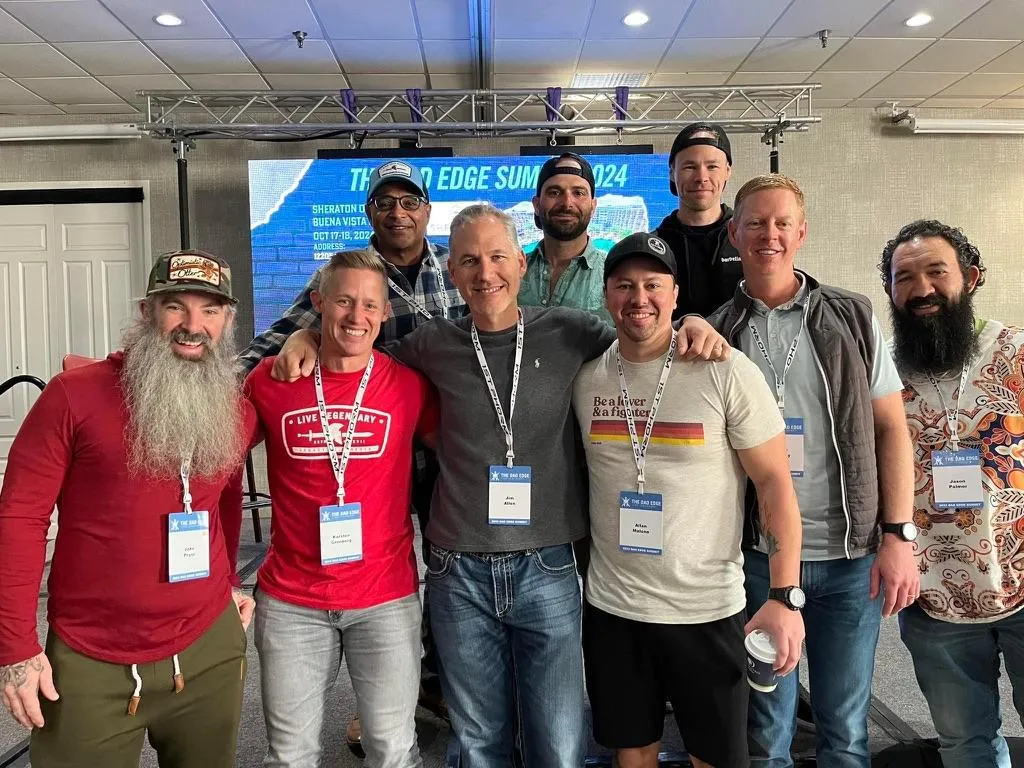
I reconnected with my children, becoming not just a provider but an emotionally present father. I deepened my friendships, creating bonds built on honesty and mutual growth. I stepped into leadership roles where I could guide others on their own journeys of growth and self-mastery.
What I Learned
Confidence Is Built - Not Born
What I came to understand through all of this is that confidence isn’t something you’re born with—it’s something you build. It’s not reserved for a certain type of person, and it’s not something you either have or you don’t. It’s a skill. And like any skill, it can be developed with the right awareness, practice, and repetition.
Most of what holds people back isn’t a lack of ability—it’s a pattern. A set of learned behaviors, beliefs, and ways of responding that were shaped over time. Things like overthinking, people-pleasing, avoiding discomfort, or constantly trying to figure out the right thing to say instead of just being present in the conversation. That process happens internally—running through options, filtering, second-guessing—and by the time you’re ready, the moment has often passed.
What actually creates confidence—and better conversations, stronger connections, and real social ease—is action. Speaking up when it would be easier not to. Being honest instead of agreeable. Letting go of needing to say the perfect thing, and trusting yourself to respond in the moment.
And as that trust builds, something shifts. You stop trying to manage how you’re perceived, and start focusing on how you show up. You become more grounded, more clear, and more connected—both to yourself and to the people around you.
The Birth of The Evolved Men Project
The Evolved Men Project didn’t begin as a business idea. It was born from a personal mission: to share the frameworks, tools, and brotherhood that had changed my life.
I knew I wasn’t alone. I saw other men around me struggling with the same challenges: feeling trapped between outdated models of masculinity and modern expectations that lacked clarity or power. Men who were tired of living small, tired of chasing validation, and tired of feeling alone in their growth.
The Evolved Men Project became a movement for those men.
A space where men could:
Forge their own path.
Develop emotional mastery.
Build leadership skills.
Cultivate deep, meaningful relationships.
Create a vision for their lives that aligned with their highest values.
Most importantly, it became a space where men could evolve together—supported by a brotherhood committed to growth, accountability, and purpose.
What I do Now
How I Help Others Do the Same
Today, I help people build confidence, overcome social anxiety, and develop stronger, more natural social skills—so they can feel more comfortable being themselves around others.
A lot of the people I work with struggle with things like overthinking what to say, people-pleasing, feeling awkward in conversations, or not knowing how to build real friendships and connections. They want to speak up more, feel more at ease socially, and stop second-guessing themselves—but they don’t always know how to get there.
This work isn’t about scripts or trying to become more outgoing. It’s about understanding the patterns underneath—why you hold back, why you overthink, why you try to say the “right” thing—and then learning how to shift those patterns through real-world practice.
Whether it’s having better conversations, building meaningful relationships, or simply feeling more relaxed and confident around other people, the goal is the same—to help you show up more fully, more honestly, and more like yourself.
Because at the end of the day, this isn’t about becoming someone else. It’s about removing what’s getting in the way, so you can connect, communicate, and live more freely.
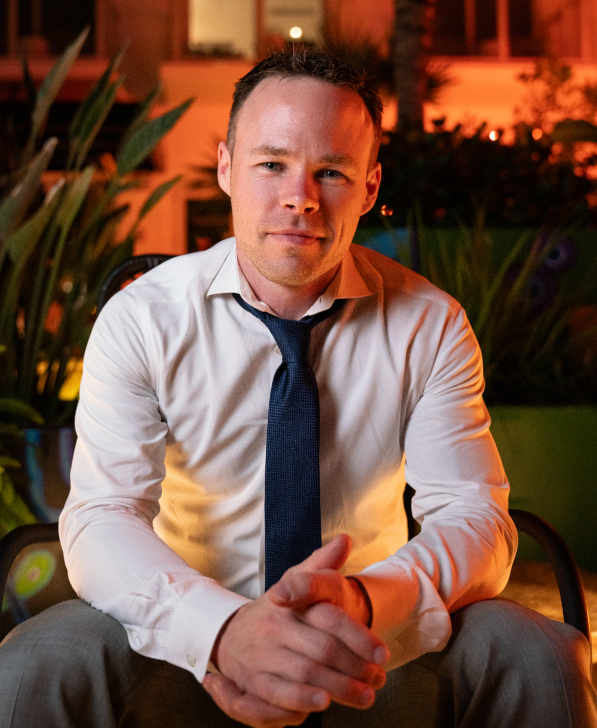
Our Mission
To equip men with the frameworks, tools, and brotherhood they need to evolve into confident, purposeful leaders in every domain of life: health, relationships, purpose, emotional mastery, and fatherhood.
Why This Matters
You Deserve to Feel Like Yourself Around Other People
Do you ever feel like you’re holding parts of yourself back around other people? Like you overthink what to say, replay conversations afterward, or worry about how you’re coming across?
Maybe you want to speak up more, feel more confident in conversations, or just be able to relax and be yourself—but something gets in the way. You find yourself trying to say the “right” thing, avoiding awkward moments, or staying quiet when you actually have something to say.
It can show up in different ways. Feeling nervous in social situations. Struggling to start or keep conversations going. Wanting deeper friendships and connections, but not always knowing how to create them. Or feeling like you’re constantly in your head instead of fully present.
And underneath all of that, there’s often a quiet sense that you’re capable of more—that if you could just get out of your own way, things could feel easier, more natural, and more like you.
A Life's Work in Progress
Today, I continue to evolve. The journey of self-mastery doesn’t end. It’s a daily practice of awareness, ownership, and aligned action.
I invite you to walk this path with me.
Whether you’re just beginning your journey or looking to deepen your growth, The Evolved Men Project is here to support you. Together, we can break generational patterns, cultivate emotional mastery, and lead ourselves and others with strength and integrity.
Your story isn’t finished. And neither is mine.
Let’s evolve—together.
If Youre Ready
Here's Your Next Step
If any of this resonated with you, the next step isn’t to keep overthinking it—it’s to start taking action.
The work of building confidence, improving your social skills, and creating real connections doesn’t happen by thinking about it more. It happens by practicing. By putting yourself into conversations, trying new ways of showing up, and building experience over time.
That’s exactly what I help people do.
Whether you want to start by learning, practicing, or getting more direct support, there are a few ways to take that next step.
You can explore my content to start shifting how you think and approach conversations. You can join a live meetup and begin practicing in a real, supportive environment. Or, if you’re ready to go deeper, you can work with me directly through coaching.
Wherever you start, the goal is the same—to help you get out of your head, build real confidence, and start showing up more fully in your life.
A Life's Work in Progress
Today, I continue to evolve. The journey of self-mastery doesn’t end. It’s a daily practice of awareness, ownership, and aligned action.
I invite you to walk this path with me.
Whether you’re just beginning your journey or looking to deepen your growth, The Evolved Men Project is here to support you. Together, we can break generational patterns, cultivate emotional mastery, and lead ourselves and others with strength and integrity.
Your story isn’t finished. And neither is mine.
Let’s evolve—together.
Built on experience
Why You Can Trust Me
Dad Edge Alliance (Larry Hagner) — Led and facilitated men’s group coaching calls focused on personal growth, accountability, communication, and emotional development.
The Art of Charm - Completed an immersive professional development program focused on social confidence, communication skills, and interpersonal effectiveness.
Ultimate Confidence Mastermind (Dr. Aziz Gazipura) — Engaged in multi-year advanced mentorship and applied training in social confidence, communication, and personal growth.
Confident Social Skills Meetup (Olympia, WA) — Founded and facilitated a live social skills group designed to help individuals overcome social anxiety, build confidence in conversations, and develop authentic, lasting connections through real-world practice and coaching.
Olympia Men’s Group Meetup (Olympia, WA) — Founded and facilitated a local men’s group focused on confidence, connection, emotional growth, and authentic communication.
Thriving Coach Academy - Completed an intensive six-month training in coaching skills, human development, and applied client work, earning my Certified Professional Coach (CPC) certification.
Neuro-Linguistic Programming (NLP) — Thriving Coach Academy
Completed professional training in mindset, communication patterns, and behavior change strategies for personal growth and confidence.
Positive Psychology — Thriving Coach Academy Completed formal training and assessment in evidence-based wellbeing, resilience, and confidence development.
Sex & Intimacy Coaching — Thriving Coach Academy
Completed advanced training in relationship dynamics, emotional connection, and healthy sexuality within a professional coaching framework.
International Coaching Federation (ICF) — Earned the Associate Certified Coach (ACC) credential through accredited training, supervised coaching hours, and demonstrated professional competency.
Copyright © 2026 Confident Social Skills. | All rights Reserved

